Hurricane Preparedness: Insights from Senior Meterologist Megan Borowski
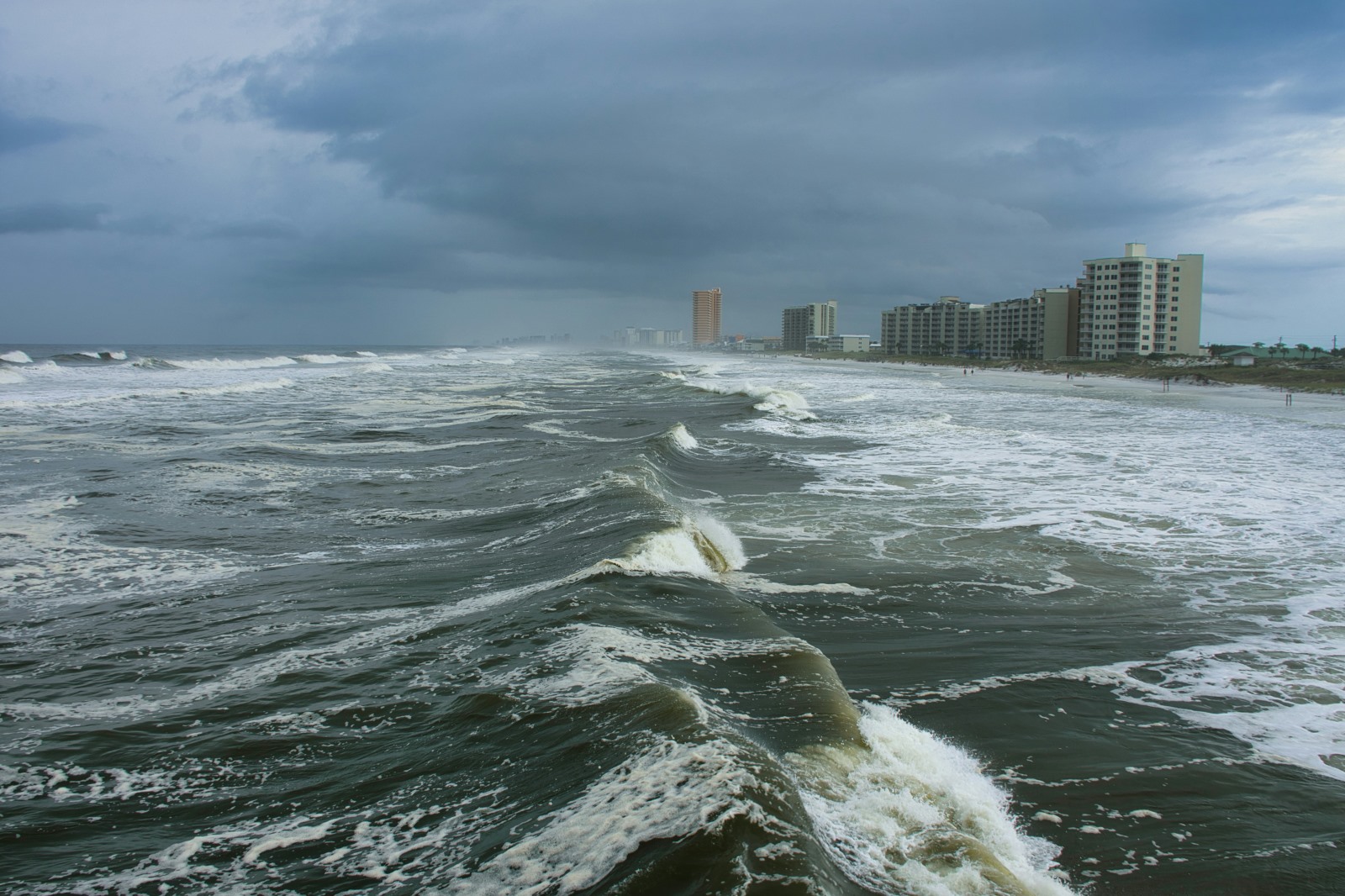
Hurricane season begins on June 1. To help organizations strengthen readiness efforts, Florida Nonprofit Alliance recently hosted Ready or Not? Preparing Your Nonprofit for Disasters, a webinar focused on practical disaster planning.
The session featured insights from Megan Borowski, Senior Meterologist with the University of Florida's WUFT Weather Team, who shared guidance on hurricane forecasting, disaster risks, and how organizations can access reliable storm information during severe weather events.
"It Just Takes One Storm"
Borowski emphasized the danger of becoming complacent after a quieter hurricane season. While Florida avoided major direct hurricane impacts last year, Borowski warned that quieter seasons can create a false sense of security.
“We could have a below average season that might happen. But if a storm impacts us in Florida, is that really a below average season?”
For nonprofits, even a single storm can disrupt operations, damage facilities, and increase demand for services overnight.
Preparing for the Worst
According to Florida Nonprofit Alliance’s most recent statewide survey, 40% of Florida nonprofits still do not have a disaster preparedness plan in place. Borowski encouraged organizations to begin preparing now by evaluating both organizational and personal vulnerabilities before hurricane season intensifies.
Preparedness should also extend beyond hurricanes alone. Florida nonprofits may face risks from flooding, tornadoes, wildfires, extreme heat, and other severe weather events throughout the year.
“Even if you are inland… you might not have to prepare for storm surge. But there’s other variables that we do need to be prepared for.”
Hurricane Categories Don’t Tell the Whole Story
Borowski also addressed a common misconception around hurricane categories. While hurricane categories measure wind speed, they do not fully capture other potentially devastating impacts like flooding, rainfall, and tornadoes.
She pointed to examples like Tropical Storm Allison and Hurricane Harvey, where catastrophic flooding occurred regardless of storm category.
“You don’t need a monster Category 5 hurricane to cause devastation.”
For nonprofits making decisions around closures, staffing, events, and service delivery, Borowski encouraged organizations to focus less on category numbers and more on the specific hazards forecasted for their area.
Sourcing Reliable Information
Borowski also cautioned against relying heavily on sensationalized social media forecasts or weather models shared far in advance of storms.
“There’s no way to know 10 days out if we’re going to have a hurricane impacting our area.”
Receiving timely, trusted forecasting is critical for both preparation and response efforts. Borowski encouraged attendees to rely on trusted sources like The National Hurricane Center, local National Weather Service offices, emergency management agencies, and trusted public media weather services.
When disaster strikes, nonprofits are often among the first organizations communities turn to for support. Taking steps now to prepare operations, protect staff, and plan for continuity helps ensure organizations can continue services when they are needed most.
Florida Nonprofit Alliance’s Disaster Resources page includes a toolkit to walk you through creating a disaster preparedness plan, other planning tools, and response resources designed specifically to assist you in this work. Put a plan in place today, by visiting https://www.flnonprofits.org/disaster-resources